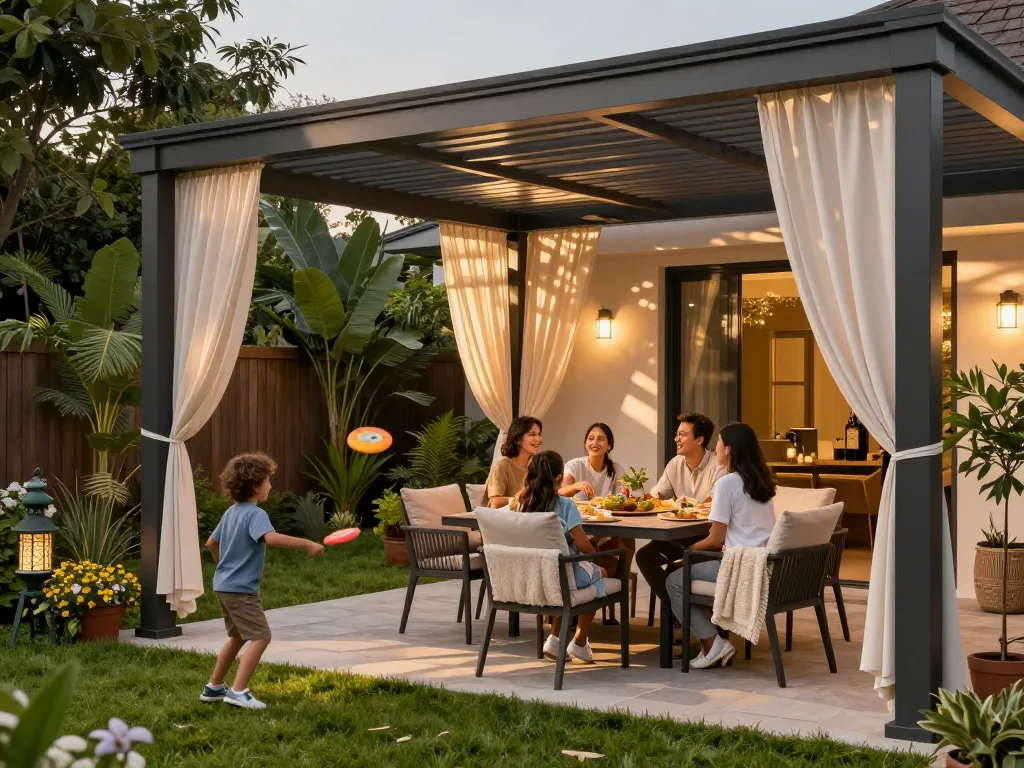

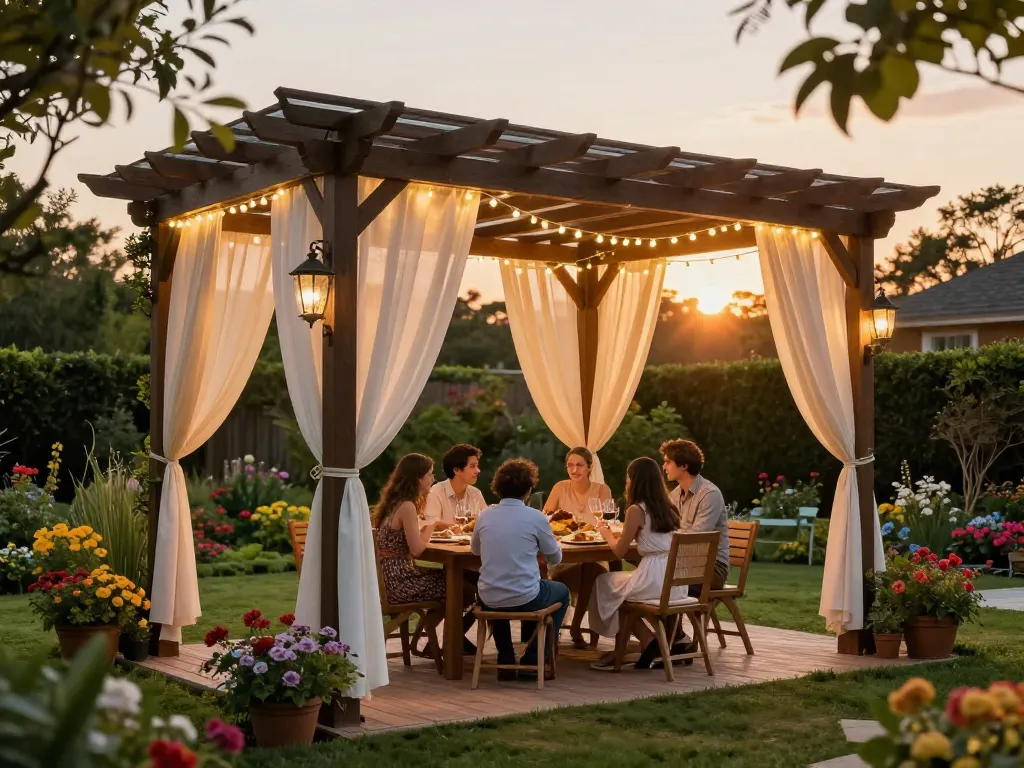
Understanding 3D Pergolas: A Comprehensive Overview
As outdoor living spaces continue to gain popularity, the need for functional and aesthetically pleasing structures like 3D pergolas has never been greater. A 3D pergola combines advanced design technology with traditional outdoor architecture, offering homeowners a way to enhance their gardens, patios, and backyards. By utilizing state-of-the-art software, you can visualize and customize your pergola, ensuring it complements your outdoor space perfectly. When exploring options, 3d pergola solutions provide comprehensive insights into design and execution.
What is a 3D Pergola?
A 3D pergola is a modern take on the classic outdoor structure, allowing homeowners to visualize their designs in three dimensions before construction. This innovative approach enables you to experiment with various styles, materials, and configurations. Unlike traditional pergolas, which can be limited in design flexibility, 3D models allow you to see how different elements will look and function in your space. This capability not only enhances creativity but also assists in making informed decisions about your outdoor living environment.
Key Features of Modern Pergolas
- Customization: 3D design technology offers robust customization options, allowing for unique structures tailored to specific needs and preferences.
- Material Options: From wood and aluminum to vinyl and fabric canopies, modern pergolas provide a variety of materials that meet durability and aesthetic standards.
- Integration with Technology: Many 3D pergolas can house smart technology, such as integrated lighting and heating systems, making them a versatile addition to any outdoor setting.
- Enhanced Visual Appeal: The ability to visualize design choices in 3D ensures that homeowners can create visually appealing structures that enhance their overall landscape.
Benefits of Using 3D Design Technology
The advantages of using 3D design technology in creating your pergola are manifold. Firstly, it allows for a clear understanding of spatial relationships, providing a clearer picture of how the structure will fit into the existing landscape. Secondly, it reduces errors in measurements and design assumptions, saving time and money in the building process. Thirdly, the ability to view materials and colors in a virtual space helps in making better aesthetic choices, ensuring your pergola is not only functional but also harmonious with your home and garden.
Planning Your Perfect 3D Pergola
Careful planning is crucial when embarking on the project of designing your perfect pergola. This involves multiple steps, from assessing your outdoor space to considering local regulations that may affect your build. Understanding the specifics of your landscape can help you design a pergola that is not only appealing but also practical and compliant with any necessary codes.
Assessing Your Outdoor Space
Before diving into design, take time to assess your outdoor area. Consider factors such as the purpose of the pergola (dining, shade, storage), the dimensions of available space, and existing features like trees, pathways, or pools. It’s beneficial to create a scaled drawing of your yard, marking where the pergola will go and how it will interact with other elements in your environment.
Choosing Materials and Styles
Your choice of materials and style can greatly influence the overall look and feel of your 3D pergola. Popular choices include:
- Wood: Traditional and warm, wood adds natural beauty and can be customized with stains or paint.
- Aluminum: Lightweight and highly durable, aluminum offers a modern aesthetic and requires less maintenance compared to wood.
- Vinyl: For those looking for easy upkeep and durability, vinyl is weather-resistant and available in various colors.
Additionally, consider the architectural style of your home when selecting a pergola design. Whether you prefer a modern minimalist look or a rustic charm, aligning your pergola with your home’s aesthetics will enhance your outdoor space.
Considering Local Building Regulations
Before proceeding with your 3D pergola, it’s essential to understand local building codes and regulations. Different municipalities have varying requirements concerning heights, setback distances from property lines, and necessary permits. Consult with your local zoning office or a qualified contractor to ensure compliance, which can save you from potential fines or issues down the line.
Customization Options for Your 3D Pergola
One of the key advantages of a 3D pergola is the vast array of customization options available, enabling you to create a structure truly unique to your preferences and needs.
Adding Lighting and Electrical Features
Incorporating lighting and electrical features into your pergola can greatly enhance its functionality for evening use. String lights, recessed lights, or even integrated LED systems can create a warm ambiance for gatherings. Consider installing outlets for powering outdoor fans, heaters, or sound systems to maximize the usability of your space.
Incorporating Seating and Accessories
Your 3D pergola can serve as a perfect focal point for seating arrangements. Whether you choose built-in benches, outdoor sofas, or casual lounge chairs, ensure that seating complements the style of your pergola. Accessories like outdoor rugs, cushions, and decorative pillows can add comfort and color, transforming your pergola into a cozy retreat.
Using Landscaping to Enhance Aesthetics
To maximize the visual appeal of your 3D pergola, consider how landscaping can be integrated. Climbing plants like wisteria or vines can grow around the structure, adding greenery and shade. Pathways leading to the pergola made of stone or pavers can also enhance the overall look, creating a seamless transition from your garden to your outdoor living area.
Installation Process for 3D Pergolas
Once you’ve planned and customized your pergola, the next step is installation, which can be approached in different ways depending on your skills and preferences.
DIY vs. Professional Installation
Deciding between DIY installation and hiring professionals often comes down to your experience with construction and the complexity of the design. Simple pergolas can often be constructed by a dedicated DIY enthusiast, while more complex designs may benefit from professional experience. Hiring a contractor can also provide peace of mind regarding the quality and compliance of the build.
Step-by-Step Installation Guide
- Preparation: Gather all necessary materials and tools, and ensure you have the right permits.
- Foundation: Dig post holes and set concrete footings to ensure stability. Use a level to ensure posts are straight.
- Assembly: Follow your design plans to assemble the structure, starting with the frame and then adding any trellises or roofing.
- Finishing Touches: Install any electrical components, paint or finish materials, and add your landscaping elements.
Common Challenges and Solutions
Throughout the installation process, challenges may arise. Common issues include misaligned posts or difficulty in securing certain materials. To address these, double-check measurements frequently during assembly and ensure all materials are compatible. Consulting online resources or DIY forums can also provide assistance for specific installation problems.
Future Trends in 3D Pergola Design
As with any design trend, 3D pergola designs continue to evolve. Staying ahead of the curve can help you create a space that is both contemporary and functional for years to come.
Eco-Friendly Materials and Sustainable Practices
With growing awareness of environmental issues, many homeowners are seeking sustainable materials for their outdoor projects. Reclaimed wood, recycled metals, and bamboo are becoming increasingly popular choices. Additionally, eco-friendly paints and finishes can reduce the environmental impact of your pergola.
Smart Technology Integration in Outdoor Spaces
As smart technology becomes more accessible, integrating features like automated shading, lighting sensors, and outdoor audio systems into your pergola will enhance its functionality and convenience. Smart-controlled features can create an adaptive outdoor environment that responds to weather conditions and user preferences.
Predictions for Outdoor Living in 2026
By 2026, outdoor living is expected to become even more integrated with smart home technologies, offering advanced solutions for comfort and usability. Expect to see more multi-functional spaces resembling outdoor living rooms, complete with amenities for cooking and relaxation. The aesthetic of outdoor spaces will also continue trending towards more organic, nature-inspired designs, blending seamlessly with surrounding landscapes.
What Are the Maintenance Needs for 3D Pergolas?
Regular maintenance is essential to ensure the longevity of your 3D pergola. Basic upkeep includes:
- Cleaning debris from the roof and structure
- Inspections for any signs of wear or damage
- Reapplication of protective finishes or paints as needed
Establishing a seasonal maintenance routine can help extend the lifespan of your outdoor structure, keeping it looking its best for years to come.
How to Choose the Right Design for Your Home?
Choosing the right design involves considering your home’s architectural style, the materials used, and the purpose of the pergola. A cohesive design that complements your home will enhance your outdoor aesthetic. Engaging with design software or a professional designer can provide valuable insights into creating the perfect match.
What Are Common Materials Used in 3D Pergola Construction?
Common materials for 3D pergolas include:
- Pressure-Treated Wood: Affordable and readily available, but requires regular maintenance.
- Cedar and Redwood: Naturally resistant to pests and decay, offering a beautiful finish.
- Aluminum: Lightweight and rust-resistant, ideal for modern designs.
- Vinyl: Convenient and low-maintenance, available in numerous colors.
What Are the Cost Implications of Building a 3D Pergola?
The cost of constructing a 3D pergola can vary widely based on several factors, including materials, design complexity, and labor costs. On average, prices can range from a few hundred to several thousand dollars. Budgeting should account for both materials and potential labor if professional installation is chosen.
How Can I Maximize My Outdoor Space with a Pergola?
To maximize your outdoor space, consider positioning your pergola to create designated areas for dining, lounging, or gardening. Use the structure to frame views of your garden or provide shade over specific activity zones. By making your pergola a focal point, you can create a cohesive design that enhances the functionality and enjoyment of your outdoor environment.
What Trends in Outdoor Living Should I Consider for 2026?
Looking ahead to 2026, expect outdoor living trends to focus on sustainability, smart technology integration, and multi-functional spaces. Homeowners will increasingly prioritize eco-friendly materials and designs that honor the surrounding environment, leading to innovative outdoor spaces that cater to various needs.