

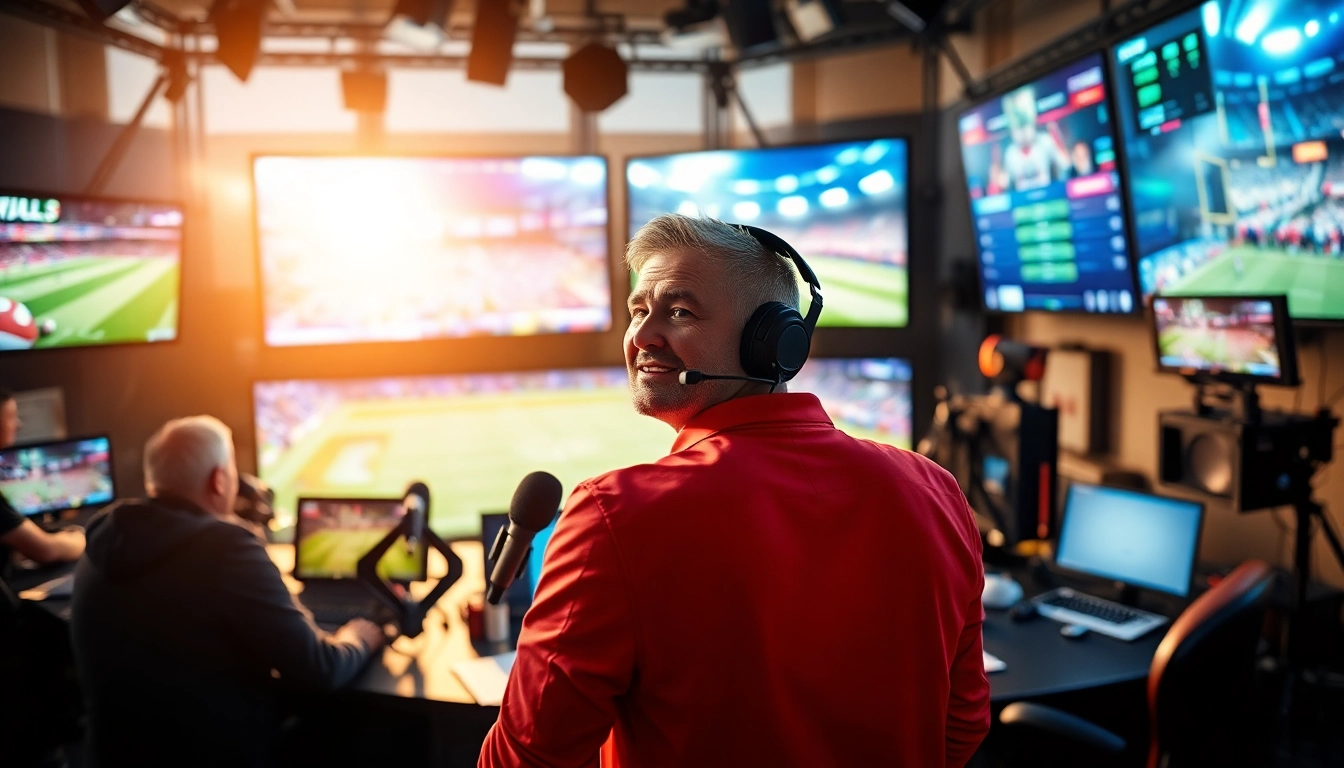
Understanding the Landscape of Sports Broadcasting
Sports broadcasting represents a powerful intersection of entertainment, information, and technological advancement. The live telecast of games captivates millions, fueling the passion and excitement for sports. By providing real-time content, commentary, and analysis, sports broadcasting enhances the viewer experience, allowing fans to connect with their favorite teams and athletes from anywhere in the world. With the rise of digital platforms, the landscape has undergone significant transformation, making it crucial to stay updated with trends and developments in Sports Broadcasting.
History of Sports Broadcasting
The origins of sports broadcasting trace back to the early 20th century, with radio broadcasts of baseball games. As technology evolved, the introduction of television in the mid-20th century revolutionized how fans consumed sports content. The first televised sports event is generally considered to be a boxing match in 1939, leading to the subsequent airing of baseball games and major events like the Olympics.
By the 1960s, sports broadcasting experienced explosive growth, driven by networks like ESPN, which launched in 1979, focusing exclusively on sports. This era also saw the rise of cable television, allowing for more specialized channels. The latter part of the 20th century brought advancements like live satellite broadcasting, which made it possible to air events happening simultaneously around the globe.
Fast forward to the 21st century, and the advent of the internet has further transformed sports broadcasting. Fans now have access to multiple platforms, including social media and streaming services, allowing for on-demand viewing and interactive content. Overall, this evolution reflects changing consumer habits and technological capabilities that continue to redefine the industry.
Key Players in the Industry
The sports broadcasting landscape is populated by various key players, each contributing uniquely to the ecosystem:
- Networks and Channels: Traditional television networks like NBC, CBS, and ESPN have long dominated the market, securing significant broadcasting rights to major sports leagues and events.
- Streaming Services: Platforms like Amazon Prime, Netflix, and dedicated sports streaming services are increasingly playing a vital role, offering live sports content and highlights.
- Production Companies: Productions companies handle the logistics of broadcasting events, from camera work to post-production, ensuring that the audience receives the best possible viewing experience.
- Advertisers and Sponsors: These players provide essential funding and marketing power that sustains programming and drives innovation within broadcasts.
- Athletes and Teams: High-profile athletes and their teams often attract viewers, their narratives and performances being central to the storytelling element of sports broadcasts.
Technology’s Role in Sports Broadcasting
Technology serves as the backbone of modern sports broadcasting, driving efficiency and enhancing viewer engagement. Some notable advancements include:
- High-Definition (HD) and Ultra-High-Definition (UHD) Broadcasting: These technologies improve picture quality, providing viewers with a more immersive experience.
- Virtual Reality (VR) and Augmented Reality (AR): These technologies enable fans to experience games from different perspectives or even virtually step onto the field, enhancing engagement.
- Data Analytics: Data-driven insights shared during broadcasts provide audiences with deeper understanding and context about teams and players, enriching the viewing experience.
- Mobile and Streaming Apps: These applications allow fans to watch live games and access highlights anytime, anywhere, catering to on-the-go audiences.
Core Skills Required in Sports Broadcasting
To succeed in sports broadcasting, aspiring professionals must cultivate a mix of specialized skills. Here are core competencies essential for effective broadcasting.
Communication Skills for Broadcasters
Effective communication is the cornerstone of sports broadcasting. Broadcasters must articulate clear and engaging narratives during live events, translating complex sports terminology into easily digestible commentary. This includes:
- Verbal Communication: Clear articulation and an engaging vocal tone are essential for capturing audience attention.
- Body Language: Non-verbal cues can enhance storytelling, particularly during live broadcasts where on-screen presence matters.
- Active Listening: Broadcasters must listen attentively, adapting their commentary to the flow of the game, audience reactions, and fellow commentators.
Analytical Skills and Game Understanding
Deep knowledge and understanding of sports are crucial. Broadcasters should analyze the game’s strategies, player performance, and trends, allowing them to provide insightful commentary. Key components include:
- Game Knowledge: A thorough understanding of the rules, strategies, and nuances of the sports being covered.
- Analytical Thinking: The ability to analyze player performance statistics and game trends in real time, enriching the viewer’s understanding.
- Contextual Insight: Providing background information on teams, players, and historical context can add depth to the broadcast.
Building a Unique Broadcasting Style
The most successful broadcasters often have a distinctive style that resonates with viewers. Developing a unique broadcasting persona involves:
- Finding Your Voice: Broadcasters should cultivate a personal style that reflects their personality, whether it’s humor, seriousness, or a mix of both.
- Storytelling Techniques: Emotionally connecting the audience with compelling stories about teams or players is vital in making broadcasts memorable.
- Consistency: While unique, maintaining consistency in style and communication fosters viewer loyalty and recognition.
Best Practices for Engaging Sports Broadcasting
Engaging broadcasts require meticulous planning and execution. Below are best practices broadcasters should adopt to ensure they’ve covered all bases for audience engagement.
Planning and Preparation for Live Events
Successful broadcasts begin with diligent preparation. Critical aspects include:
- Research: Background research on teams, players, and recent news stories help provide informed commentary.
- Scripts and Bullet Points: While spontaneity is crucial during live events, having scripted segments or bullet points can aid in keeping content organized.
- Coordinate with Production Teams: Communicating effectively with producers and technical staff ensures smooth on-air transitions and minimizes disruptions.
Crafting Compelling Narratives
A compelling narrative can elevate the viewing experience. Broadcasters should strive to create stories that resonate with the audience by:
- Personality Profiles: Highlight individual players’ backgrounds, achievements, and struggles to create a connection with the audience.
- Game Context: Emphasizing the significance of each game within the league or season helps viewers understand stakes involved.
- Real-time Updates: Sharing live insights about player injuries, team dynamics, and game strategy can keep the narrative dynamic and engaging.
Utilizing Social Media in Sports Broadcasting
Engagement does not end with the broadcast, and effectively leveraging social media channels can amplify a broadcaster’s reach and connect with fans. Strategies include:
- Pre-Event Engagement: Creating anticipation for upcoming games through social media teasers, polls, or live Q&As.
- Live Interaction: Engaging with audiences during games through interactive tweets, livestreams, or responding to comments fosters community.
- Post-Event Recaps: Utilizing social media platforms to share highlights, interviews, and post-game analysis can enhance the viewer’s experience and encourage ongoing conversation.
Challenges Faced in Sports Broadcasting
Even the most seasoned broadcasters face numerous challenges in the fast-paced world of sports broadcasting. Understanding these hurdles can prepare professionals for success.
Adapting to Technology Changes
The rapid evolution of technology requires broadcasters to be agile and adaptable, ensuring they utilize the latest tools and platforms. Key approaches include:
- Continual Learning: Broadcasting professionals should regularly participate in training programs for emerging technologies.
- Adopting New Tools: Utilizing new production and analytics tools can enhance the broadcast quality, providing richer content.
- Feedback Mechanisms: Engaging with viewers to gather feedback on technological enhancements can guide future strategies.
Managing On-Air Mistakes
Mistakes are inevitable in live broadcasts. Developing strategies to handle these blunders can mitigate their impacts. Effective measures include:
- Staying Calm: Maintaining composure during errors can reassure viewers and help transition smoothly back to the broadcast.
- Quick Recovery: Addressing the mistake directly, if appropriate, often helps to maintain credibility and trust with the audience.
- Learning from Errors: Analyzing and reflecting on mistakes can create opportunities for improvement and training.
Handling Viewer Expectations
Viewers often have specific expectations regarding broadcasts. Meeting and managing these expectations is essential for maintaining audience loyalty. Strategies include:
- Transparency: Providing honest assessments about potential issues, low team performance, or technical challenges enhances viewer trust.
- Delivering Consistent Quality: Ensuring a high-quality experience during every broadcast encourages viewer loyalty.
- Regular Engagement: Interacting with audiences through feedback and surveys helps understand viewer preferences and adapt content accordingly.
Future Trends in Sports Broadcasting
The future of sports broadcasting promises exciting changes as new technologies and consumer behaviors evolve. Here are key trends shaping the industry’s trajectory:
The Rise of Streaming Platforms
With traditional cable subscriptions declining, streaming platforms are becoming the go-to choice for viewers. As more sports leagues partner with these services, fans can anticipate:
- Exclusive Content: Original programming and limited-time broadcasts of specific games create a demand for unique viewing experiences.
- Customizable Viewing: Features allowing viewers to tailor their viewing experience, such as selecting camera angles, are on the rise.
Integration of Virtual Reality in Broadcasting
Virtual reality is set to revolutionize how fans experience sports. This immersive technology could allow:
- 360-Degree Views: Fans may enjoy a virtual front-row seat at the game, allowing them to interact with the environment.
- Enhanced Engagement: Virtual meet-and-greets with players and customized experiences during broadcasts could enhance fan connection.
Forecasting Changes in Viewer Engagement
Understanding shifting audience behaviors and preferences is fundamental to adjusting content to maintain relevance. Future engagement trends could involve:
- Interactive Content: Polls and live viewer questions during broadcasts could enhance participation and investment in the content.
- Short-form Content: The popularity of bite-sized content on social media platforms will likely influence how games are summarized and discussed.
Frequently Asked Questions
1. What skills are essential for a career in sports broadcasting?
Successful sports broadcasters need strong communication, analytical abilities, and a deep understanding of the sport, alongside a unique broadcasting style.
2. How has technology changed sports broadcasting?
Technological advances like streaming, VR, and data analytics have transformed broadcast quality, viewer engagement, and accessibility to content.
3. What are some common challenges faced by sports broadcasters?
Broadcasters often face technological changes, managing on-air mistakes, and meeting viewer expectations as primary challenges in the industry.
4. Why is storytelling important in sports broadcasting?
Storytelling enhances viewer engagement and creates emotional connections with teams, players, and events, making broadcasts more memorable and compelling.
5. What does the future of sports broadcasting look like?
The future includes increased reliance on streaming platforms, integration of VR experiences, and evolving viewer engagement strategies driven by technology.