
Understanding ROKOK88: A Modern Gaming Phenomenon
In recent years, the gaming landscape has undergone a significant transformation, with online gaming communities emerging as powerful platforms for social interaction. Among these, ROKOK88 stands out as a unique phenomenon that not only provides entertainment but also raises concerns about the infiltration of extreme ideologies within its digital environment. As players immerse themselves in gameplay, they unwittingly become part of complex social dynamics, which can sometimes lead to the adoption of harmful beliefs. Understanding ROKOK88 is crucial for navigating these challenges and ensuring a safe gaming experience. When exploring options, rokok88 provides comprehensive insights into these issues.
What is ROKOK88 and Its Concept?
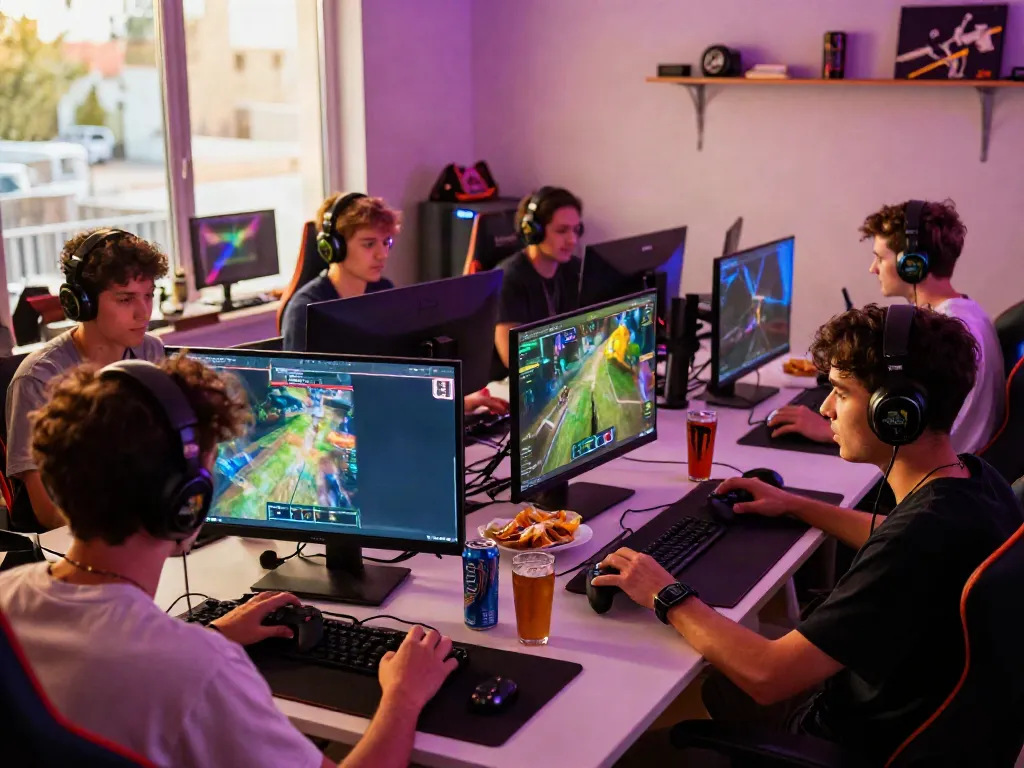
ROKOK88 is more than just a gaming platform; it represents a conglomeration of gaming culture that merges entertainment with social interaction. The platform features a variety of games that are tailored to engage players in intense competitions while also encouraging cooperation amongst peers. By fostering a vibrant community, ROKOK88 has become a hub where gamers from diverse backgrounds converge, share experiences, and build relationships that can sometimes transcend the game itself.
The Significance of Gaming Communities
Gaming communities serve as digital social spaces that can significantly influence the behaviors and ideologies of their members. These communities provide a fertile ground for exchanging ideas, beliefs, and values. Unfortunately, they can also be platforms for spreading extremist ideologies. Players are often encouraged to align themselves with specific narratives that reflect certain ideologies, which can lead to heightened polarization and conflict within the community.
How ROKOK88 Integrates Digital Ideologies
ROKOK88 has been noted for its unique way of integrating digital ideologies into gameplay. The platform not only promotes traditional gaming values such as teamwork and competition but also subtly incorporates elements that reflect broader sociopolitical narratives. This integration can come through game plots, character development, or even community forums and chats where discussions can take a radical turn. Thus, it becomes essential for players to critically evaluate the content they encounter.
Identifying Extreme Ideological Risks in Gaming
As gaming continues to evolve, so do the risks associated with extreme ideologies within these virtual environments. Identifying these risks is the first step toward creating a safer online gaming community. Players need to be aware of the subtle signs that may indicate ideological manipulation, allowing them to safeguard their mental and social well-being.
Common Types of Extreme Ideologies Encountered
The types of extreme ideologies that can infiltrate gaming communities are quite varied. They often include:
- Political Extremism: Games can be used to promote radical political viewpoints that encourage intolerance towards differing opinions.
- Violent Ideologies: Some games may inadvertently glorify violence, leading players to adopt aggressive behaviors or mindsets.
- Hate Speech and Discrimination: Certain community forums can become breeding grounds for hate speech, affecting the overall diversity and inclusion within gaming.
Signs of Ideological Manipulation in Games
Players should be vigilant for signs of ideological manipulation that may manifest in various ways, including:
- Groupthink: The pressure to conform to majority beliefs within the community can stifle individual critical thinking.
- Echo Chambers: Some games may create environments where only similar viewpoints are shared, reinforcing extreme beliefs.
- Desensitization: Exposure to violent or discriminatory content may lead to players normalizing such ideologies.
Case Studies of Ideology Spread in Gaming Communities
Several case studies highlight how extreme ideologies have spread within gaming communities. For instance, there have been documented instances where certain games were used as channels for alt-right propaganda, exploiting unsuspecting players. Another example involved the manipulation of social interactions within a popular game, where players were encouraged to engage in harassment against those who held differing views. These cases underline the importance of awareness and vigilance among gamers.
Digital Literacy: A Player’s Best Defense
In an age where information is abundant yet often misleading, digital literacy emerges as a crucial skill for gamers. It empowers players to discern reliable information from dubious content, thereby fostering a more informed gaming community. Strengthening digital literacy is not just about recognizing misinformation; it also involves understanding how to interact responsibly within gaming spaces.
Essential Skills for Identifying Misinformation
To effectively combat misinformation, gamers should enhance several key skills:
- Critical Thinking: Players should develop the ability to analyze information critically before accepting it as valid.
- Source Verification: Recognizing credible sources and verifying information can prevent the spread of false narratives.
- Media Literacy: Understanding how various media forms convey messages can aid in recognizing manipulative content.
Strategies to Foster Critical Thinking Among Gamers
Fostering critical thinking within gaming communities can be achieved through the following strategies:
- Encouraging Open Discussions: Platforms should promote forums where diverse opinions can be expressed respectfully.
- Workshops and Webinars: Providing educational resources about digital literacy can empower players to become more discerning consumers of information.
- Community Challenges: Engaging in challenges that require players to solve problems critically can enhance their analytical skills.
How to Report and Handle Unacceptable Content
Players should be aware of the processes for reporting unacceptable content within gaming environments. This involves:
- Knowing the Reporting Tools: Familiarize oneself with the reporting features available on the gaming platform.
- Documenting Evidence: Keeping records of harmful content can support reporting efforts.
- Encouraging Others: Players should motivate their peers to report unacceptable behavior, creating a unified front against extremism.
Creating a Safe Gaming Environment
Establishing a safe gaming environment is essential for enabling positive experiences among players. This involves creating guidelines that promote respectful interactions and discourage harmful ideologies from taking root.
Best Practices for Online Interaction
To ensure healthy exchanges among players, consider the following best practices:
- Respect Boundaries: Players should always respect the comfort levels of their peers during interactions.
- Encourage Inclusivity: Promoting diversity can enrich the gaming experience and deter extremist behaviors.
- Lead by Example: Players should model respectful behavior, setting a standard within their communities.
Establishing Community Guidelines
Community guidelines play a pivotal role in shaping the culture of gaming spaces. These guidelines should include:
- Clear Definitions: Provide clear definitions of unacceptable behavior.
- Consequences: Outline the repercussions for violating community rules to enforce accountability.
- Regular Reviews: Periodically review and update guidelines to remain relevant to emerging issues.
Tools for Monitoring and Moderating Content
Utilizing monitoring tools can greatly assist in maintaining a healthy gaming environment. These tools can help identify inappropriate content swiftly, allowing communities to respond effectively. Implementing AI-driven moderation systems can also ensure that harmful content is flagged in real-time, thereby protecting players from exposure to dangerous ideologies.
Future Trends in Gaming and Ideological Awareness
As the gaming landscape continues to evolve, it is essential to anticipate future trends that may influence ideological awareness among players. This requires a proactive approach in adapting to changes and addressing new challenges.
Emerging Technologies and Their Impact on Gaming
New technologies such as virtual reality (VR) and augmented reality (AR) are reshaping the gaming experience. While these innovations offer immersive environments, they also pose challenges regarding ideological manipulation. Understanding how these technologies can be leveraged responsibly is crucial for players.
Anticipating Changes in Player Awareness and Responsibility
As the gaming community grows more aware of the impacts of ideology, we can expect a heightened sense of responsibility among players. This trend will likely encourage developers to prioritize social responsibility in their designs and interactions, leading to healthier gaming communities.
How ROKOK88 is Shaping the Future of Gaming
ROKOK88 is at the forefront of addressing the challenges posed by extreme ideologies in gaming. By prioritizing community engagement and promoting digital literacy, ROKOK88 is setting a standard for how gaming can be both enjoyable and responsibly managed. The platform’s commitment to fostering a safe environment exemplifies how gaming can evolve in a manner that is inclusive and respectful of diversity.
What are the risks associated with ROKOK88?
The primary risks associated with ROKOK88 include exposure to manipulative ideologies, potential desensitization to violent content, and encountering hate speech. Recognizing these risks is vital for players to navigate the platform responsibly.
How can players protect themselves from ideological threats?
Players can protect themselves by cultivating digital literacy, engaging critically with content, and reporting suspicious behaviors. Building a support network within the gaming community can also enhance players’ resilience against ideological threats.
What role does digital literacy play in gaming?
Digital literacy empowers players to discern reliable information, engage responsibly with others, and recognize harmful content. It is an essential skill set that fosters a safer and more inclusive gaming environment.
How to promote healthy gaming communities?
Promoting healthy gaming communities involves encouraging respectful interactions, establishing clear guidelines, and utilizing effective moderation tools. Players should advocate for inclusivity and support one another in creating a positive gaming culture.
What future trends should gamers watch for in 2026?
Gamers should remain vigilant regarding the integration of emerging technologies, the growth of community-driven platforms, and the evolving narrative around social responsibility in gaming. Staying informed about these trends will help players navigate the gaming landscape effectively.