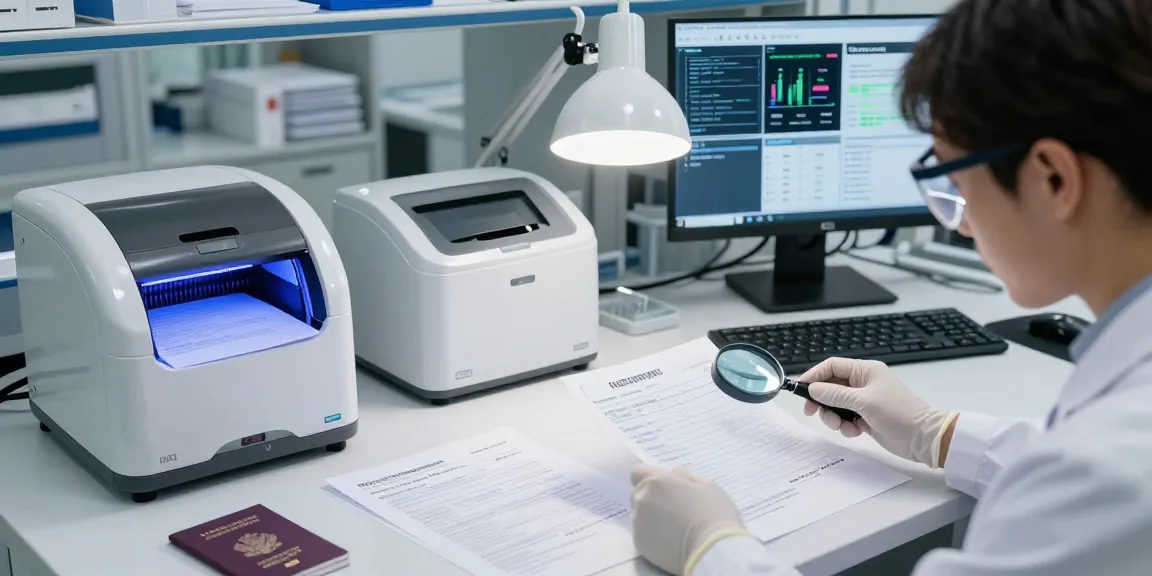
Understanding Document Fraud Detection
In an increasingly digital world, document fraud detection has become an essential aspect for businesses and organizations across various industries. With the rise of sophisticated forgery techniques and scams, understanding how to effectively detect fraudulent documents can prevent significant financial losses and safeguard an organization's reputation. This guide explores the intricacies of document fraud detection, its importance, common types, and the technologies that are revolutionizing the field.
Detecting fraudulent documents is critical in scenarios ranging from financial transactions to identity verification. As we delve deeper into the realm of document fraud detection, we'll uncover the complexities and methodologies involved in ensuring document authenticity.
What is Document Fraud Detection?
Document fraud detection is the process of identifying counterfeit, altered, or fabricated documents. This encompasses a wide range of documents, including identification cards, passports, bank statements, contracts, and corporate records. The objective is to verify the authenticity of documents presented to prevent fraudulent activities such as identity theft, financial fraud, and other illegal operations.
To effectively detect fraud, various techniques and tools are employed, ranging from traditional manual inspection to advanced digital technologies. Each method has its own pros and cons, which we'll explore in detail.
The Importance of Detecting Document Fraud
Effective document fraud detection not only protects businesses from financial losses but also enhances customer trust and regulatory compliance. For companies, especially in sectors such as finance, healthcare, and government, the consequences of failing to detect fraudulent documents can be severe, including legal ramifications and damage to the brand's reputation.
- Financial Protection: Detecting fraud can save companies billions in losses annually.
- Regulatory Compliance: Many industries are subject to strict laws regarding document verification.
- Trust Building: Clients and customers feel safer knowing there are robust fraud detection measures in place.
Common Types of Document Fraud
Understanding the various types of document fraud can help organizations tailor their detection strategies. Some common types include:
- Identity Fraud: This involves the use of fake identity documents, such as forged driver's licenses or passports.
- Financial Fraud: Counterfeit bank documents or altered financial statements are used to deceive creditors or investors.
- Contract Fraud: Forged signatures or modified contracts can lead to significant legal disputes.
Each type of fraud requires different detection methods, emphasizing the need for a multifaceted approach toward document verification.
Methods and Technologies in Document Fraud Detection
The landscape of document fraud detection has evolved significantly over the years, moving from manual inspections to highly sophisticated technologies that automate much of the verification process. This section explores both traditional and modern detection methods.
Traditional vs. Digital Detection Techniques
Traditional detection methods mainly involve manual inspections by trained professionals who scrutinize physical documents for irregularities. This may include examining watermark properties, paper quality, and print anomalies. However, this approach has its limitations, including human error and time consumption.
In contrast, digital detection methods utilize technology such as optical character recognition (OCR), artificial intelligence (AI), and machine learning algorithms to analyze document features automatically. These advanced systems can quickly identify inconsistencies that may be challenging for the human eye to detect.
Emerging Technologies in Document Verification
New technologies are continuously reshaping the document fraud detection landscape. Some of the most impactful emerging technologies include:
- Blockchain: Provides a secure and immutable record of transactions that can enhance document authenticity.
- Artificial Intelligence: AI can analyze large volumes of data to detect patterns indicative of fraud.
- Biometric Verification: Incorporating biometrics like fingerprints and facial recognition can enhance the security of identity documents.
These technologies not only improve accuracy but also enhance the speed of processing documents, enabling organizations to respond swiftly to potential fraud attempts.
Best Practices for Implementing Detection Tools
To maximize the effectiveness of document fraud detection tools, organizations should adopt several best practices:
- Regular Training: Ensure that employees are well-trained in using detection tools.
- Integrate Multiple Methods: Combine both traditional and digital techniques for a comprehensive approach.
- Stay Updated: Continuously monitor trends in document fraud and update detection methods accordingly.
Implementing these practices will create a robust system capable of adapting to evolving fraud techniques.
Challenges in Document Fraud Detection
Despite advancements in technology, there are numerous challenges organizations face in detecting document fraud effectively. Understanding these challenges is essential for developing strategies to overcome them.
Identifying New Fraud Techniques
Fraudsters continually evolve their techniques to exploit loopholes in document verification systems. This constant evolution necessitates a proactive approach to stay ahead of new tactics. Organizations must invest in research and development to understand emerging fraud trends and adapt their detection mechanisms accordingly.
Maintaining Accuracy in Detection
Achieving a high level of accuracy is crucial for effective document fraud detection. False positives can lead to unnecessary frustrations for legitimate clients, while false negatives can result in costly fraud incidents. Continuous improvement of detection algorithms and validation processes is essential to maintain accuracy levels.
Addressing Compliance and Legal Issues
Regulatory compliance poses another layer of complexity in document fraud detection. Organizations must navigate various laws and regulations governing data security and document verification. Engaging legal experts and investing in compliance training can help organizations stay informed and avoid potential legal pitfalls.
Case Studies: Successful Document Fraud Detection
Examining real-world case studies can provide valuable insights into effective document fraud detection strategies and the lessons learned from both successes and failures.
Real-World Examples of Document Fraud Cases
Several notable cases highlight the importance of document fraud detection:
- The 2019 College Admissions Scandal: High-profile individuals attempted to use forged documents to secure admissions for their children at elite universities.
- Fake Bank Documents: A financial institution uncovered a sophisticated scheme where counterfeit bank statements were used to secure loans.
These examples emphasize the need for vigilant fraud detection practices across sectors.
Lessons Learned from Document Verification Failures
Failures in document verification can be costly. Learning from these failures, organizations can identify weaknesses in their detection processes and make necessary improvements. For instance, a financial institution that overlooked the need for biometric verification faced substantial losses due to identity fraud.
Best Practices from Industry Leaders
Industry leaders often employ innovative methods and tools to tackle document fraud effectively. Collaboration with technology partners, regular audits, and comprehensive training programs are common practices among frontrunners in the field.
Future Trends in Document Fraud Detection
The future of document fraud detection is poised for significant advancements as technology evolves and fraud techniques become increasingly sophisticated. Here, we outline key trends that will shape the industry.
Predictions for 2026 and Beyond
As we look towards 2026, several predictions stand out:
- Increased Use of AI: AI will become more prevalent in identifying subtle signs of document forgery.
- Greater Integrative Approaches: Organizations will leverage multi-layered strategies that combine various detection technologies.
- Focus on User Experience: Efforts will be made to streamline the verification process while ensuring security.
The Role of AI and Machine Learning in Detection
AI and machine learning are expected to play a pivotal role in document fraud detection. By analyzing vast datasets, these technologies can identify fraud patterns that may not be apparent to human analysts. As they learn from new data, their ability to detect fraud will only improve over time, providing organizations with a significant advantage.
Preparing for Future Challenges in Document Security
Organizations must remain vigilant and adaptable to prepare for future challenges. This includes investing in research, staying informed about evolving fraud techniques, and continuously updating detection systems to incorporate new technologies.
How Can Businesses Adapt and Stay Ahead?
Businesses should foster a culture of adaptability and innovation when it comes to document fraud detection. Collaborating with tech startups focusing on fraud detection solutions, investing in employee training, and adopting a proactive stance towards security will help organizations stay ahead in the battle against document fraud.
What Technologies Are Reshaping Document Fraud Detection?
Key technologies such as blockchain, AI, and advanced biometric systems are reshaping document fraud detection. By embracing these technologies, organizations can enhance their verification processes and provide a higher level of security against fraudulent activities.
How Can Organizations Ensure Compliance in Document Verification?
To ensure compliance, organizations should regularly review their document verification processes against existing regulations, engage legal experts, and implement robust data security policies. Establishing a compliance-focused culture will also significantly mitigate risks related to legal issues.
What Are the Most Common Types of Document Fraud?
The most common types of document fraud include identity fraud, financial fraud, and contract fraud, each of which requires tailored detection strategies to effectively manage risks.
What Emerging Trends Should We Watch for in Document Fraud Detection?
Emerging trends include improved AI algorithms, integration of blockchain technology for secure transactions, and enhanced biometric verification methods, all of which are set to revolutionize document fraud detection in the coming years.
How Can Training Improve the Effectiveness of Fraud Detection?
Regular training enhances the skills of employees responsible for document verification, equipping them with the knowledge to identify potential fraud issues more effectively. Continuous education about new fraud techniques and technologies will bolster an organization's defense against fraud.