

Understanding the Forklift Market Trends in 2026
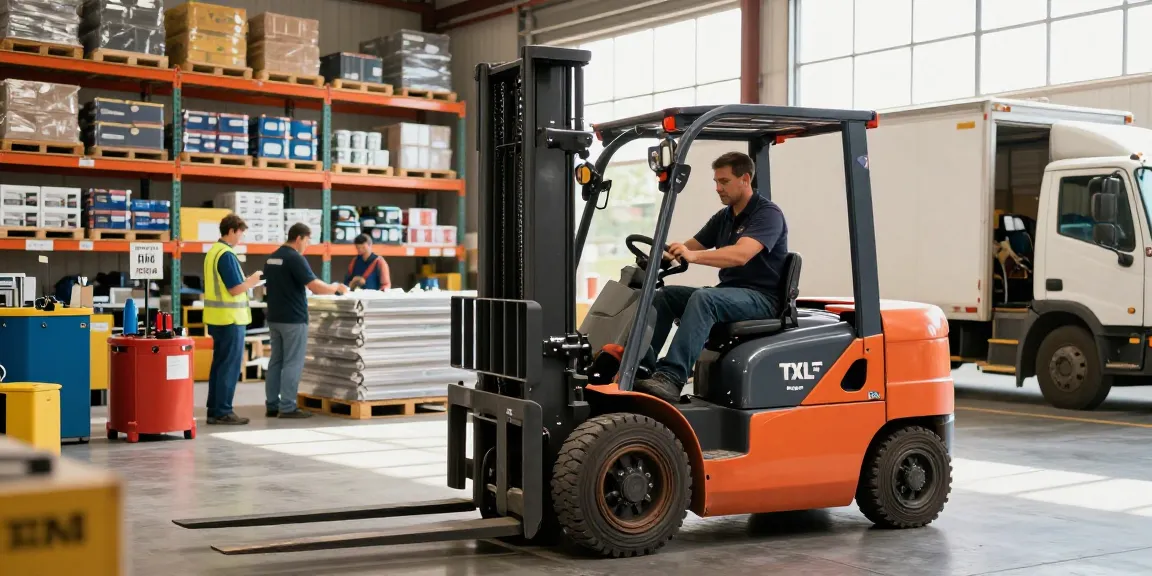
The forklift market is rapidly evolving, with electric models leading the charge towards a more sustainable and efficient future in material handling. In 2026, the demand for electric forklifts continues to rise due to their numerous benefits, including lower operating costs, reduced emissions, and improved efficiency. As businesses in various sectors seek to modernize their operations and reduce their carbon footprints, electric forklifts have become the go-to choice for many. When exploring options, forklift for sale offers a variety of choices that cater to diverse needs across industries.
Current Demand for Electric Forklifts
With increasing awareness about environmental sustainability and strict regulations around emissions, electric forklifts are becoming the preferred option for many companies. The advantages they offer over traditional combustion-engine forklifts include:
- Lower emissions: Electric forklifts produce zero emissions at the point of use, making them ideal for indoor operations.
- Reduced noise: They operate much quieter than their diesel or gas counterparts, contributing to a better working environment.
- Lower operating costs: Electric forklifts typically have lower fuel costs, and with fewer moving parts, their maintenance costs are often reduced.
- Increasing range: Advancements in battery technology, particularly lithium-ion batteries, are extending the operational range and reducing downtime for recharging.
Emerging Technologies in Forklift Design
As we look towards 2026, the integration of technology in forklift design is noteworthy. Key advancements include:
- Automation: Many manufacturers are investing in autonomous forklifts that can operate without human intervention, improving warehouse efficiency and safety.
- Telematics: Forklifts equipped with telematics systems provide real-time data, allowing for better fleet management and predictive maintenance.
- Smart lifting mechanisms: Innovations in lifting technology are enabling forklifts to handle loads more effectively, reducing the risk of accidents and enhancing productivity.
Shifts in Consumer Preferences
Consumer preferences are changing, with an increased focus on sustainability and efficiency. More customers are prioritizing products that contribute to reducing their carbon footprint and operational costs. Additionally, businesses are looking for flexibility: electric forklifts are often more versatile, allowing operators to handle a variety of loads with different configurations and attachments.
Key Factors to Consider When Buying a Forklift
When purchasing a forklift, it’s essential to evaluate a range of factors to ensure that you choose the right machine for your needs. Here are the key considerations:
Evaluating Load Capacity and Specs
The first step in selecting a forklift is determining the load capacity you require. You should analyze the following:
- Weight of the loads: Ensure that the forklift can safely handle the heaviest loads you expect to transport.
- Lift height: Consider the vertical space in your facility; ensure the forklift can reach your required heights.
- Fork length: Choose the appropriate fork length based on your load dimensions.
Assessing Battery Life and Maintenance
Battery life is a critical factor, especially for electric forklifts. Key points include:
- Battery type: Lithium-ion batteries offer fast recharging times and longevity, while traditional lead-acid batteries may have lower upfront costs.
- Maintenance requirements: Understanding the maintenance schedule and potential costs associated with battery upkeep is vital.
Comparing Prices: New vs. Used Forklifts
Deciding between new and used forklifts involves assessing your budget and operational needs. While new forklifts offer the latest technology and warranties, used models can provide substantial savings. When considering used forklifts, thorough inspections and assessments are crucial to avoid costly repairs.
Innovative Solutions for Material Handling
With the advancing technology in forklifts, innovative solutions are emerging that enhance productivity and safety in material handling:
Advancements in Electric Forklift Technology
Electric forklifts are becoming more advanced with better battery management systems, regenerative braking, and energy-efficient designs. These innovations not only reduce operational costs but also help in complying with sustainability goals.
Smart Forklifts: Automation in Modern Warehouses
The adoption of automation in material handling is on the rise, with smart forklifts capable of navigating warehouses independently. Features include:
- Laser-guided technology: This allows forklifts to move accurately through complex warehouse layouts.
- Collision avoidance systems: These systems improve safety by detecting obstacles and adjusting paths accordingly.
Eco-Friendly Practices in Forklift Operation
Businesses are increasingly adopting eco-friendly practices in their forklift operations. This includes:
- Regular maintenance: Keeping equipment well-maintained ensures it operates efficiently, reducing waste and energy consumption.
- Training operators: Proper training helps minimize accidents and reduces unnecessary wear on equipment.
Financing Options and Cost Analysis
Understanding your financial options is crucial when purchasing forklifts. There are several avenues to consider:
Understanding Rental vs. Purchase Costs
Renting forklifts can be a cost-effective solution for short-term needs, while purchasing is often better for long-term operations. Consider the total cost of ownership, including maintenance, insurance, and depreciation, when making your decision.
Available Financing Plans for Buyers
Many dealers offer financing options that can help you manage costs. Be sure to explore:
- Lease-to-own plans: These can provide ownership after the lease period, which can be beneficial for budgeting.
- Manufacturer financing: Some forklift manufacturers offer financing deals that can include lower interest rates or deferred payments.
Long-Term Value Assessment of Electric Forklifts
When analyzing the long-term value of electric forklifts, consider their energy savings, longevity, and lower maintenance costs. A well-chosen electric forklift can significantly reduce operational costs and improve efficiency over its lifespan.
Frequently Asked Questions About Forklifts
As you explore purchasing a forklift, you may have several questions. Here are some frequently asked questions to help guide your decision:
What types of forklifts are best for my needs?
Consider factors like load size, height requirements, and the environment in which you’ll operate. Electric forklifts are typically best for indoor use, while internal combustion forklifts may be more suited for outdoor applications.
How can I ensure safe operation of my forklift?
Training is crucial for safe forklift operation. Ensure all operators are certified and understand best practices, including load handling and maneuvering in confined spaces.
What are the warranties available for electric forklifts?
Warranties can vary widely, but many manufacturers offer warranties that cover parts and service for a specified number of years or hours of operation. Always review the warranty terms before purchase.
How often should forklift maintenance be performed?
Regular maintenance typically includes daily inspections, monthly servicing, and annual overhauls. Adhering to a maintenance schedule helps prevent breakdowns and prolongs the life of the equipment.
Are there government incentives for purchasing electric forklifts?
Many governments offer incentives for businesses that invest in electric vehicles, including forklifts. This can include tax credits, rebates, or grants aimed at promoting sustainable practices.