

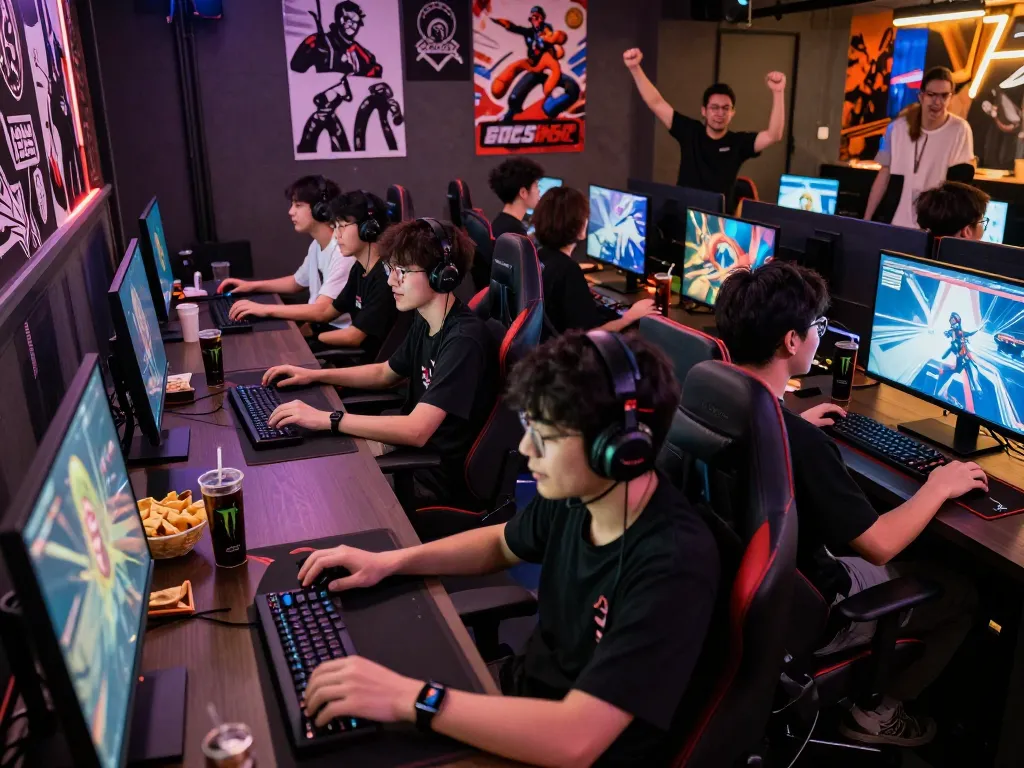
The Rise of Esports: A New Era of Competition
In recent years, the esports industry has transformed from a niche hobby into a global phenomenon, drawing millions of viewers and participants. Players, teams, and organizations now compete for substantial cash prizes, sponsorships, and fame. Major tournaments fill arenas and attract audiences comparable to traditional sporting events, highlighting the cultural shift towards competitive gaming. As we look toward 2026, it’s essential to understand the evolving dynamics of this vibrant industry.
As you navigate this landscape, resources like https://bomwin.jp.net/ provide comprehensive insights and updates that can enhance your understanding and engagement with esports.
Understanding the Esports Landscape
Esports encompasses competitive video gaming, where individuals and teams compete in organized events. Genres such as first-person shooters (FPS), multiplayer online battle arenas (MOBA), and battle royale games dominate the scene. Titles like League of Legends, Dota 2, and Counter-Strike: Global Offensive have defined competitive gaming over the past decade.
The esports ecosystem comprises several components, including players, teams, sponsors, and event organizers. It operates on various platforms, mainly online streaming platforms like Twitch, YouTube Gaming, and Facebook Gaming, allowing fans to engage with content creators and live matches. The accessibility of these platforms has played a significant role in the sector’s growth, offering gaming enthusiasts avenues to connect, watch, and participate.
Key Players and Influencers
Several influential figures and organizations have propelled esports into the limelight. Professional players such as Faker (League of Legends) and s1mple (Counter-Strike: Global Offensive) have garnered massive followings, elevating their respective games’ status. Teams like Team Liquid, FaZe Clan, and Cloud9 have become household names, indicating the competitive nature and commercial viability of esports.
Moreover, influencers and content creators are essential for community building and engagement. They bridge the gap between casual viewers and hardcore fans, helping to demystify competitive gaming for new audiences.
The Impact of Online Platforms on Gaming
Online platforms have revolutionized how games are played, marketed, and consumed. Streaming services have enabled real-time viewing of esports events, fostering a sense of community among fans. Players can build brands around their personalities, often collaborating with brands and sponsors to monetize their content. In addition, social media platforms like Twitter, Instagram, and TikTok have allowed for real-time interactions between fans and players, further deepening community ties.
Strategies for Gamers: From Casual to Competitive
For aspiring esports athletes, understanding the difference between casual play and competitive gaming is crucial. While casual gaming is often about enjoyment, competitive gaming requires dedication, strategic thinking, and skill development. This section outlines several key strategies to help gamers transition from casual participants to serious contenders.
Essential Skills for Success in Esports
To thrive in esports, players must develop a range of skills, including:
- Mechanical skills: Proficiency with game controls is fundamental, as quick reflexes can often be the difference between winning and losing.
- Game knowledge: Understanding game mechanics, maps, and character abilities is vital for devising effective strategies.
- Teamwork: Most esports titles require collaboration among team members, making communication and synergy essential.
- Adaptability: The ability to adapt strategies in response to opponents’ actions and changing circumstances is paramount.
Analyzing Game Mechanics and Strategies
Analyzing game mechanics is crucial for any player wishing to refine their gameplay. This involves reviewing past performances, studying successful players, and keeping abreast of meta changes. Players should practice various strategies, understand their strengths and weaknesses, and employ tactics that play to their advantages. Regularly analyzing gameplay will reveal areas needing improvement and facilitate skill growth.
Practice Techniques for Improvement
Effective practice is critical for gamers aspiring to elevate their skills. Here are a few techniques:
- Focused drills: Concentrate on specific skills or tactics during practice matches to build proficiency.
- Scrimming: Engage in practice matches against other teams, simulating the competitive environment.
- Professional coaching: Consider hiring a coach to provide personalized feedback and strategies tailored to your gameplay.
Building a Gaming Community: Engagement and Connection
Creating and maintaining a gaming community enhances the gaming experience, offering a support network and fostering connections among members. Here, we’ll explore how to build and engage a thriving community.
Creating and Managing Gaming Clans
Establishing a gaming clan or team allows players to collaborate, participate in tournaments, and share strategies. A well-managed clan fosters a positive environment and encourages growth among its members. It’s essential to set clear goals, establish rules, and ensure open communication within the group.
Utilizing Social Media for Community Growth
Social media serves as a powerful tool for community engagement. Platforms like Discord, Twitter, and Reddit can help clans share updates, organize events, and discuss strategies. By actively participating on social media, gaming communities can attract new members and foster discussions that enhance the overall experience.
Hosting and Participating in Tournaments
Tournaments serve as a rallying point for community engagement, providing opportunities for members to showcase their skills. Hosting local events or participating in larger competitions can build camaraderie and excitement. These tournaments can be structured in various formats, including single-elimination, round-robin, or ladder systems, offering diverse competitive experiences.
The Role of Technology in Gaming Evolution
Technological advancements continue to shape the gaming industry, pushing boundaries and creating new opportunities for players and developers alike. Here, we discuss some of the latest innovations driving the future of esports.
Latest Innovations in Gaming Hardware
Gaming hardware has evolved significantly, with high-performance GPUs and gaming peripherals enhancing the player experience. Innovations such as high refresh rate monitors, ergonomic controllers, and state-of-the-art sound systems provide gamers with the competitive edge necessary for success. Brands continue to invest in research and development, ensuring that technology keeps pace with gamers’ ever-increasing demands.
Software Advancements Enhancing Gameplay
Software developments, such as game updates and patches, improve player experiences while addressing bugs and balance issues. Advanced matchmaking algorithms and AI-driven analytics help create fair and competitive environments, allowing players of all skill levels to find suitable opponents. Additionally, the integration of machine learning technologies is enhancing the development of game dynamics and player interactions.
The Future of Virtual Reality in Esports
Virtual reality (VR) is poised to revolutionize the esports landscape. By offering immersive experiences, VR enhances gameplay and can create entirely new genres of competitive gaming. As technology progresses, more esports titles are expected to incorporate VR, paving the way for a new segment of competitive play that could reshape player engagement.
Future Trends: What to Expect in 2026 and Beyond
As the esports landscape evolves, several trends are emerging that could significantly impact the industry. Understanding these trends can prepare players and teams for the competitive environment of 2026 and beyond.
Emerging Genres and Gameplay Styles
New genres are continuously emerging in the gaming world. Battle royale games were a game-changer in recent years, and similar innovations are likely to arise. Additionally, hybrid genres that blend traditional mechanics with novel elements could captivate diverse audiences.
Shifting Demographics in Gaming Audiences
The demographics of gamers are changing, with increased representation across gender and age groups. This shift opens new avenues for marketing and engagement strategies, as companies strive to cater to a more diverse audience.
Business Opportunities and Monetization Strategies
As the esports industry matures, business opportunities are expanding. Teams and organizations are exploring various monetization strategies, including merchandise sales, subscriptions, and exclusive content. Understanding these avenues can equip aspiring players and entrepreneurs to seize opportunities within the growing market.
How Can You Get Started in Esports?
Entering the esports world begins with passion and dedication. Players should identify their favorite games, practice regularly, and engage with the community. Attending local tournaments and participating in online competitions can provide invaluable experience and exposure.
What Are the Best Platforms for Competitive Gaming?
Several platforms cater specifically to competitive gaming, including Steam, Battle.net, and Epic Games Store. These platforms regularly host tournaments and provide resources for players looking to enhance their competitive profiles.
How to Stay Updated with Gaming Trends?
Staying informed about industry trends is essential for any passionate gamer. Following reputable gaming news outlets, subscribing to esports magazines, and engaging with communities online are effective strategies for keeping up with the rapidly evolving landscape.
What Skills Are Most Valuable for Aspiring Gamers?
For aspiring gamers, technical skills such as aiming precision and strategic adaptability are crucial. Additionally, players must cultivate soft skills like teamwork and communication to thrive in team-oriented games.
How to Build a Career in the Esports Industry?
Building a career in the esports industry requires a multifaceted approach. Players should focus on honing their skills, building a personal brand, and networking with industry professionals. Those interested in non-playing roles can explore opportunities in marketing, event management, and content creation.